Blog

  • The Ultimate Guide to Choosing the Right Hair Treatment

    The Ultimate Guide to Choosing the Right Hair Treatment

    The Ultimate Guide to Choosing the Right Hair Treatment

    Beautiful, healthy hair begins with the right treatment—but with so many options, figuring out what works best for your hair can feel overwhelming. The key lies in understanding your hair type, identifying your concerns, and choosing treatments tailored to meet your specific needs. Whether you’re battling dryness, aiming for shinier locks, or addressing thinning hair, this guide on hair treatment will help you make informed decisions.

    Understanding Your Hair Type

    Your hair type forms the foundation for selecting an effective treatment. Hair can be broadly classified into four types—straight, wavy, curly, and coily—and each type has unique needs.

    • Straight Hair

    Straight hair often looks naturally shiny because the scalp’s natural oils can easily travel down the smooth strands. This hair type tends to reflect light well, giving it a sleek appearance. However, it may lack volume, making it difficult to style for those seeking more body. Additionally, straight hair can become oily quickly, requiring regular washing or the use of dry shampoo to maintain a fresh look.

    • Wavy Hair

    Wavy hair falls between straight and curly textures, offering a beautiful, natural wave pattern. It has more volume than straight hair but is prone to frizz, especially in humid conditions. Wavy hair often benefits from lightweight styling products like mousses or creams that enhance its natural wave without weighing it down. Proper care can help define the waves while reducing frizz for a more polished look.

    • Curly Hair

    Curly hair is characterized by springy, defined curls that range from loose loops to tight ringlets. This hair type often requires hydration to maintain its bounce and definition, as the natural oils from the scalp have a harder time traveling down the spiral shape. Without proper care, curly hair can become dry, frizzy, and prone to tangles, making detangling products and leave-in conditioners essential for its upkeep.

    • Coily Hair

    Coily or kinky hair features a tight, zigzag curl pattern that is both beautiful and unique. This hair type is often more fragile due to its structure, making it prone to breakage if not handled carefully. It requires intense moisture, deep conditioning treatments, and protective styles to retain length and health. Regular use of oils, butters, and leave-in conditioners can help lock in hydration and keep coily hair looking its best..

    How to Identify Your Hair Type

    To determine your hair type, observe how your hair behaves when air-dried after washing. Pay attention to its natural texture, volume, and tendency towards dryness or greasiness. Your hair’s specific needs will guide you toward the most effective treatment options.

    Common Hair Concerns and How to Address Them

    Now that you understand your hair type, let’s explore some of the most common hair concerns and the treatments that can help.

    1. Dryness and Lack of Moisture

    Dry hair often feels rough and appears dull. Factors like excessive heat styling, chemical treatments, and environmental exposure can strip your hair of its natural oils.

    • Suggested Treatments:

    Deep conditioning masks and oil treatments like argan or coconut oil are perfect for restoring hydration. Look for products with ingredients like shea butter, aloe vera, or hyaluronic acid.

    2. Frizz Control

    Frizz occurs when your hair absorbs excess moisture from the air due to a disrupted cuticle layer. Humid environments can make this issue worse.

    • Suggested Treatments:

    Keratin treatments are a popular choice for taming frizz, smoothing the hair shaft, and adding shine. Anti-humidity sprays and leave-in conditioners can also help.

    3. Thinning or Hair Loss

    Hair thinning can be caused by aging, stress, hormonal changes, or nutrient deficiencies. Recognizing the underlying cause is critical for choosing the right approach.

    • Suggested Treatments:

    Scalp-focused solutions like microneedling or PRP (platelet-rich plasma) therapy help stimulate growth. Nutritional supplements rich in biotin, zinc, and iron may also support healthier hair.

    4. Split Ends and Breakage

    Frequent use of heat tools and harsh brushing can lead to split ends. These weaken the overall structure of the hair.

    • Suggested Treatments:

    Trims every 6-8 weeks combined with strengthening treatments like bond-repair products or protein-infused deep conditioners can prevent further damage.

    Popular Hair Treatments to Consider

    Choosing the right professional or at-home treatment can make a significant difference. Here are a few of the most sought-after hair treatments:

    1. Keratin Treatment

    Designed to smooth and straighten hair, keratin treatments work by filling in porous hair strands with keratin—a natural protein your hair needs. This process eliminates frizz, adds shine, and reduces styling time.

    • Best For: Frizzy, wavy, or curly hair types
    • Longevity: Results can last up to 6 months with proper care.

    2. Deep Conditioning

    Deep conditioning treatments provide intense hydration. These are typically left on the hair for a longer period than regular conditioners and are rich in nutrients like vitamins and oils.

    • Best For: Dry, damaged, or color-treated hair
    • Longevity: Use weekly or biweekly for ongoing nourishment.

    3. Scalp Treatments

    A healthy scalp is the foundation of healthy hair. Scalp treatments focus on exfoliation, hydration, and rejuvenation.

    • Best For: Those experiencing dandruff, product buildup, or reduced hair growth
    • Longevity: Results improve with consistent use.

    4. Hair Glossing

    Hair gloss treatments are ideal for boosting color and shine without the commitment of permanent dye. Glossing coats the hair cuticle and seals in moisture.

    • Best For: Dull, lifeless hair or maintaining color-treated locks
    • Longevity: Effects can last for 4-6 weeks.

    5. Bond-Building Treatments

    These focus on repairing broken bonds within your hair caused by chemical or heat damage. Treatments like Olaplex are often paired with color services.

    • Best For: Chemically treated or severely damaged hair
    • Longevity: Regular use may result in stronger, healthier hair over time.

    Tips for Maintaining Healthy Hair Post-Treatment

    Once you’ve invested in a good hair treatment, maintenance is key to extending the benefits. Here are some handy tips:

    1. Use Sulfate-Free Products

    Sulfates can strip your hair of natural oils and reduce the longevity of treatments like keratin or glossing. Switch to sulfate-free shampoos and conditioners to keep your hair hydrated.

    2. Limit Heat Styling

    Excessive heat can undo the effects of many treatments. Instead, allow your hair to air dry whenever possible or use heat tools on a low setting with a heat protectant spray.

    3. Protect Your Hair

    Environmental factors like UV rays and pollution can damage treated hair. Using a leave-in conditioner with UV protection or wearing a wide-brimmed hat can shield your strands.

    4. Hydrate More Often

    Even if your treatment provides moisture, maintaining a routine with hydrating products, like weekly masks or leave-in treatments, will keep your hair looking and feeling great.

    5. Regular Trims

    Hair treatments can prevent damage but won’t stop split ends from forming over time. Schedule trims every 6-8 weeks to maintain your hair’s overall health.

    Final Thoughts

    Choosing the right hair treatment may seem challenging at first, but it becomes much easier once you understand your hair type and specific needs. Is your hair prone to dryness or breakage? Do you struggle with frizz, dullness, or an itchy scalp? Identifying these concerns is the first step toward finding the perfect solution. Whether you’re aiming to smooth frizz with keratin treatments, hydrate dry locks with deep conditioning masks, repair damage with protein treatments, or boost scalp health with nourishing oils, the options are endless and cater to a wide range of hair issues.

    It’s important to also consider your lifestyle and routine when selecting a treatment. Some solutions, like keratin treatments, require special shampoos and reduced heat styling, while others, like conditioning masks, can simply be added to your weekly routine. Remember, the key to lasting results lies in both selecting the proper treatment and maintaining a consistent hair care regimen that includes cleansing, moisturizing, and protecting your hair from environmental damage.

    Take the guesswork out of hair care and explore treatments that truly work for you. With the right approach, you can repair, nourish, and protect your hair, achieving the healthy, shiny locks you’ve always wanted!!

  • Herbal Facial Treatment vs. Chemical Peels: Which Is for You?

    Herbal Facial Treatment vs. Chemical Peels: Which Is for You?

    Herbal Facial Treatment vs. Chemical Peels: Which Is for You?

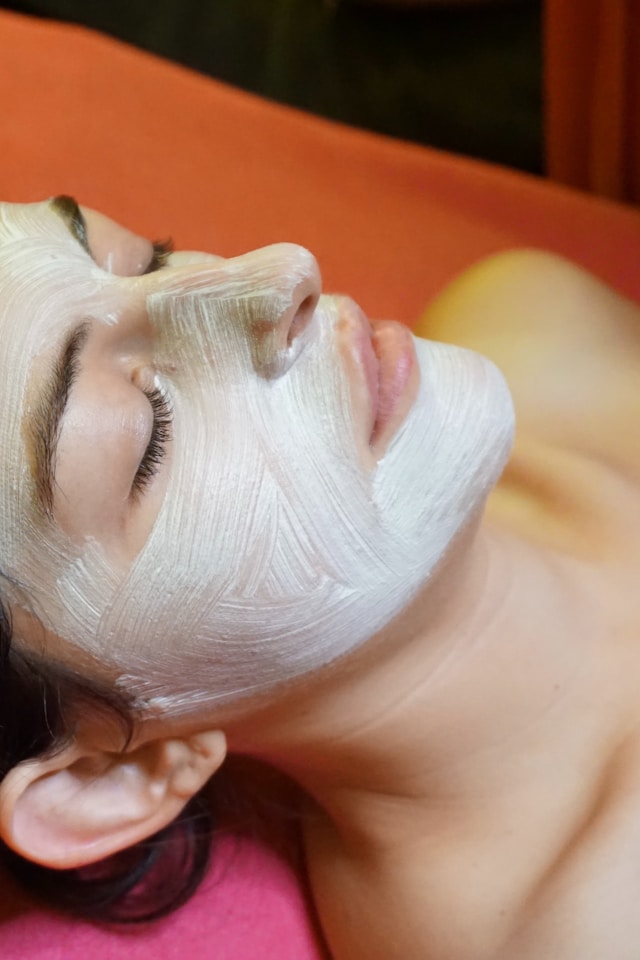
    Our skin is one of the most telling indicators of our well-being, so investing in the right skincare routine is essential. When it comes to giving your face that rejuvenated glow, two popular choices often come up in conversation: herbal facial treatment and chemical peel. Both offer incredible benefits, yet they cater to very different needs.

    If you’re unsure which path to choose, we’ve put together this detailed guide. By the end of this article, you’ll have a better understanding of what each treatment entails, their benefits, and how to decide which option is ideal for your unique skin type and concerns.

    Herbal Facial Treatments

    Herbal facial treatments are rooted in natural ingredients like plant extracts, essential oils, and minerals. These treatments are generally associated with a holistic approach to skincare, aiming to nourish the skin while supporting overall health.

    What Are Herbal Facial Treatments?

    Herbal facials are non-invasive treatments that rely on natural ingredients such as:

    • Aloe vera for hydration
    • Turmeric for anti-inflammatory benefits
    • Green tea for antioxidants
    • Neem for its antibacterial properties

    Typically, these treatments involve cleansing, exfoliating (with mild herbal scrubs), massages using oils or creams, and applying herbal masks.

    Benefits of Herbal Facial Treatments

    1. Gentle on the Skin: Since they use natural ingredients, herbal facials are less likely to cause irritation or allergic reactions, making them ideal for sensitive skin.
    2. Promotes Holistic Wellness: Many herbal treatments incorporate aromatherapy and massage techniques, delivering relaxation alongside skin benefits.
    3. Safe for All Skin Types: Whether you have oily skin, dry skin, or something in between, herbal treatments can be customized to suit your needs.
    4. Immediate Glow: Herbal facials enhance blood circulation and detoxify the skin, leaving it radiant and fresh.

    Are There Any Drawbacks?

    Herbal facial treatments are incredibly nurturing, but they may not deliver dramatic or long-lasting results for individuals with specific or severe skin concerns, such as pigmentation, scars, or deep wrinkles.

    Chemical Peels

    Chemical peels, on the other hand, are a more intensive treatment. They involve applying a chemical solution to exfoliate the outermost layers of the skin. The intent is to reveal newer, healthier skin underneath.

    What Are Chemical Peels?

    Chemical peels are available in varying strengths:

    • Superficial peels using mild acids like alpha hydroxy acid (AHA) to target dead skin cells
    • Medium-depth peels employing ingredients such as glycolic acid for more pronounced exfoliation
    • Deep peels with strong chemicals like phenol for intensive skin rejuvenation

    These peels are often performed in professional skincare settings and require preparation and follow-up care.

    Benefits of Chemical Peels

    1. Addresses Persistent Skin Concerns: Chemical peels can effectively treat acne scars, uneven skin tone, fine lines, and hyperpigmentation.
    2. Stimulates Collagen Production: By targeting the deeper layers of the skin, peels encourage new cell growth and collagen development, resulting in firmer skin.
    3. Customizable Intensity: Whether you need a light refresh or a more dramatic transformation, there’s a peel for all levels.
    4. Long-lasting Results: With proper aftercare, chemical peels can provide benefits that remain visible for months.

    Are There Any Risks?

    While highly effective, chemical peels are not for everyone. They may:

    • Cause redness, peeling, or downtime, depending on the peel’s strength.
    • Not recommended for sensitive skin or specific skin conditions like eczema or rosacea.
    • Require expert application to avoid complications like burns or excessive skin irritation.

    How to Choose the Right Treatment for You?

    Ultimately, the decision between herbal facial treatments and chemical peels should be based on your skin type, concerns, and preferences. Here’s a quick breakdown to help you decide:

    Choose Herbal Facial Treatments If:

    • You have sensitive or very dry skin.
    • You’re looking for gentle, natural solutions.
    • You’re new to facial treatments and want to start with something less intensive.
    • You prioritize relaxation along with skincare benefits.

    Choose Chemical Peels If:

    • Your concerns include acne scars, hyperpigmentation, or deep wrinkles.
    • You’re looking for long-lasting results.
    • You’re willing to commit to some downtime for intensive rejuvenation.
    • You want to stimulate significant collagen production and address deeper skin concerns.

    Key Tips Before You Decide

    1. Consult a Professional: Always seek advice from a licensed dermatologist or esthetician to understand what’s best for your skin.
    2. Patch Test First: Particularly for chemical peels, a patch test can prevent unexpected reactions.
    3. Be Mindful of Aftercare:
        • Herbal facials typically require minimal aftercare.
        • Chemical peels might require diligent sunscreen application and avoiding the sun entirely for some time.

    Wrapping It Up

    Both herbal facial treatments and chemical peels have their place in the world of skincare. If you’re looking for a gentle and soothing experience, herbal facials are a great choice. However, if your skin needs deeper intervention, chemical peels can deliver dramatic results.

    Whatever you choose, remember that skincare is not one-size-fits-all. Choosing the right treatment for your needs ensures not only a glowing appearance but also confidence in your skincare routine. If you’re still unsure, talk to an expert to kickstart your skincare transformation.

  • How Long Does Lip Filler Last? A Complete Guide

    How Long Does Lip Filler Last? A Complete Guide

    How Long Does Lip Filler Last? A Complete Guide

    Lip fillers have become one of the most popular cosmetic treatments for those looking to add volume, improve shape, or enhance the overall symmetry of their lips. But if you’ve been considering the treatment, you’re likely wondering, “How long does a lip filler actually last?”

    This guide will take you through everything you need to know—factors that influence their longevity, different types of fillers, and tips to help you extend their effects.

    What Are Lip Fillers?

    Simply put, lip fillers are injectable dermal fillers designed to temporarily enhance the lips. Most modern lip fillers are made from hyaluronic acid (HA), a naturally occurring substance in the body that retains water and adds volume.

    These treatments are non-surgical, minimally invasive, and offer a customizable result, making them an appealing option for many people looking for a boost in confidence or a more youthful appearance.

    How Long Do Lip Fillers Last?

    The longevity of lip fillers depends on several factors, but the general timeframe is between 6 months to 18 months. Here’s a breakdown of the primary factors that affect how long they last.

    1. Type of Lip Filler Used

    Not all lip fillers are created equal. Different brands and formulations influence how long the results will last. For example:

    • Juvederm Ultra and Juvederm Volbella: Typically last between 6 to 12 months.
    • Restylane Kysse: Usually lasts 9 to 12 months due to its advanced crosslinked formula.
    • Thicker formulations (e.g., Juvederm Voluma used off-label) can last closer to 18 months, but they are less common in lip treatments.

    Always consult your provider to understand which formula best suits your goals.

    2. Your Metabolism

    Your body’s metabolism plays a significant role. Since hyaluronic acid fillers are eventually broken down by your body, individuals with faster metabolisms may notice their results fading quicker.

    3. Injection Technique and Placement

    The skill and technique of your injector directly impact the filler’s longevity. A well-trained professional ensures the filler is placed in optimal areas to provide both natural-looking and longer-lasting results.

    4. Lifestyle Factors

    Certain lifestyle habits may affect the speed at which your body metabolizes the filler. For instance:

    • Frequent exercise can increase metabolism, potentially shortening the lifespan of your filler.
    • Sun exposure and lack of hydration may reduce hyaluronic acid’s effectiveness, causing the filler to break down faster.

    5. Natural Lip Movements

    If you tend to have highly active facial expressions or frequently purse your lips, your filler may degrade quicker. Think of it like wear and tear that comes from repetitive lip movement.

    Signs That Your Lip Filler is Fading

    Wondering how to tell when your lip fillers are wearing off? Here are some common signs:

    • Loss of volume around the lips as they return to their natural shape.
    • Less definition along the lip line.
    • Subtler or entirely diminished plumpness.

    If you notice these changes and want to maintain the effect, it may be time to schedule a refill appointment with your injector.

    How to Make Lip Fillers Last Longer

    While filler longevity isn’t entirely within your control, there are a few things you can do to maximize your results.

    Stay Hydrated

    Hyaluronic acid binds to water molecules, so staying well-hydrated supports its plumping effects. Drink plenty of water daily to help maintain that fuller-lip appearance.

    Use Sunscreen on Your Lips

    Prolonged exposure to UV rays can break down the filler material more quickly. Invest in a lip balm with SPF to protect your lips from sun damage and support long-lasting results.

    Avoid Smoking

    Smoking accelerates aging and may degrade the filler faster. Steering clear of smoking will not only help you maintain your results but is also beneficial for your overall health.

    Follow Your Injector’s Aftercare Advice

    After your treatment, your injector will likely provide specific aftercare instructions. This may include avoiding strenuous exercise, refraining from certain skincare products, or abstaining from heat exposure (like saunas) for a short time. Following these guidelines can prevent premature degradation of the filler.

    Schedule Maintenance Appointments

    Touch-ups are often more cost-effective than waiting for your filler to disappear completely. Regular maintenance every 6-12 months can also help retain your desired look continuously.

    Are Lip Fillers Worth It?

    For many people, the answer is a resounding yes! Lip fillers are a versatile treatment, allowing you to:

    • Subtly enhance your natural lips.
    • Correct asymmetry or improve the definition of your lip line.
    • Boost confidence with plumper, more youthful lips.

    With minimal downtime and high patient satisfaction rates, the pros of lip fillers often outweigh their temporary nature.

    Is It Time for a Consultation?

    Now that you know how long lip fillers last and how to maintain their effects, you may be ready to take the next step. Whether you’re considering lip fillers for the first time or looking to refresh your look, consulting with an experienced, board-certified injector is key. They can guide you on the best filler for your aesthetic goals while ensuring a safe and comfortable experience.

    Your perfect pout is closer than you think! Book a consultation today and start your lip enhancement journey with confidence.

  • The Role of Content Marketing for Doctors: Blogs, Videos & More

    The Role of Content Marketing for Doctors: Blogs, Videos & More

    The Role of Content Marketing for Doctors: Blogs, Videos & More

    For years, the healthcare industry thrived on word-of-mouth referrals and reputation-based growth. But in today’s digital-first world, patients are turning to their screens before setting foot in a clinic. Content marketing has emerged as a game-changer for doctors and healthcare professionals seeking to build trust, connect with new patients, and establish authority in their fields. If you’re a medical professional wondering how blogs, videos, and other forms of content can benefit your practice, you’re in the right place. This article explores the role of content marketing for doctors, why it matters, and practical ways to use it effectively.

    Why Content Marketing Matters for Healthcare Professionals

    The benefits of content marketing go far beyond attracting more patients—it’s about delivering value and showcasing your expertise to a growing audience. Here’s why it’s essential for doctors:

    1. Build Trust in Your Expertise

    Patients are increasingly skeptical of healthcare misinformation online. A well-written blog addressing common concerns like “What causes seasonal allergies?” or “When to see a doctor for back pain” helps demonstrate your credibility. When patients feel that you know your stuff, they’re more likely to trust your care.

    2. Provide Patient Education

    Most patients don’t fully understand their conditions, treatments, or preventive health measures. Videos and infographics explaining complex terms or procedures in simple language help bridge this gap. Educating patients establishes you as a trusted resource and shows that you prioritize their well-being.

    3. Increase Online Visibility

    Search engines like Google reward engaging, informative content. By optimizing your website with blogs and videos centered on patient FAQs (e.g., “How to prepare for a colonoscopy” or “Top 5 exercises for joint pain relief”), you’re more likely to appear in search results when potential patients look for answers.

    4. Personalize Your Brand

    Healthcare can feel impersonal to many. Content like behind-the-scenes videos, Q&A sessions, or interviews helps humanize your practice. Patients want to feel connected to their doctors, and personalized content fosters that emotional bond.

    5. Adapt to Patient Behavior

    Research shows that over 70% of patients use online search engines to find healthcare providers. Without a strong online presence, you may be missing out on connecting with patients actively seeking your services.

    Blogging for Doctors

    Blogging is one of the simplest yet most effective content marketing tools for healthcare. Here’s how doctors can leverage blogs:

    Use Patient Questions as Blog Topics

    Have you noticed patients commonly asking questions like “What’s the difference between a cold and the flu?” Write about it! Blogs directly addressing real patient concerns perform well in terms of both engagement and SEO.

    Highlight Preventative Care

    Blogs are a great outlet to emphasize the importance of preventative care. Share seasonal content like “Top 7 Tips to Stay Healthy During Flu Season” or “How to Protect Your Skin in the Summer” to keep patients informed and engaged year-round.

    Keep It Simple but Accurate

    When writing blogs, aim for clarity. Use layman’s terms to explain medical concepts but keep them accurate. Misinformation has no place in healthcare, especially when you’re the trusted voice.

    Post Consistently

    A single blog post isn’t enough to make an impact. Set a schedule—for example, publishing one new blog per week—to keep your website fresh and show patients your dedication.

    The Power of Video Content Marketing

    Want to grab attention faster? Video content might be your best bet. Research shows that 86% of online users prefer video content over text, which means it’s not just impactful but also expected.

    Educational Videos

    Create explainer videos tackling topics like “What happens during a routine dental cleaning?” or “How does physical therapy help recover from strokes?” Break down intimidating subjects into easier chunks patients can follow.

    Live Q&A Sessions

    Host live Q&A sessions on platforms like Instagram or Facebook where followers can ask healthcare-related questions in real-time. Not only do these sessions get excellent engagement, but they also show that you’re accessible and care about your audience’s needs.

    Practice Tours

    Nervousness deters many patients from visiting doctors. A short warm video introducing your office space, staff, and services can help put potential patients at ease and reinforce trust.

    Testimonials and Success Stories

    With patient consent, share success stories via video testimonials. Seeing other patients speak positively about you builds credibility and alleviates concerns about seeking care.

    Other Engaging Content Formats for Doctors

    While blogs and videos steal the spotlight, don’t overlook these types of content that can also drive patient engagement:

    Infographics

    Patients love quick, digestible content. Infographics summarizing complex topics like “How stress affects your heart” or “Breaking down a balanced diet” are shareable and easy to understand.

    Newsletters

    An email newsletter sent every month can inform patients about new services, seasonal health tips, or upcoming events. It’s a great way to stay top-of-mind in between visits.

    Social Media Posts

    Daily healthcare reminders like “Stay hydrated!” or “The importance of sunscreen” can be shared on platforms like Instagram and Twitter to grow your visibility and boost interactions.

    Free Resources

    Offer checklists (e.g., “Pre-surgery preparation list”) or downloadable eBooks (e.g., “Managing Diabetes: A Beginner’s Guide”) for potential patients as a way to provide immediate value.

    Best Practices for Success

    Stay HIPAA-Compliant

    When creating and sharing content, always respect patient privacy and refrain from including identifiable details unless you have written permission.

    Focus on Accessible Language

    Avoid medical jargon that might overwhelm your audience. Instead, keep things clear, simple, and approachable.

    Be Consistent

    Consistency builds familiarity. Ensure regular content production and engagement on all selected platforms to sustain patient trust.

    Evaluate Performance

    Track how your posts perform online—whether through Google Analytics or social media insights. Use this data to refine future content strategies.

    Transform Your Medical Practice with Content Marketing

    Content marketing is no longer just a “nice-to-have” tool for doctors—it’s a necessity. From blogs to videos, these strategies enable healthcare professionals to connect, educate, and support their patients better than ever before.

    Not sure where to start? Start small. Write a blog addressing a common patient concern or film a short FAQ video for your social media feed. Over time, you’ll build an engaged audience that trusts you for care and sees you as an expert in your field.

    Want to take your content to the next level but don’t have the time? Collaborate with professional marketers or agencies who specialize in healthcare content. The right strategy won’t just grow your online presence—it’ll transform your practice.

  • How to Leverage Social Media in Health Digital Marketing

    How to Leverage Social Media in Health Digital Marketing

    How to Leverage Social Media in Health Digital Marketing

    Social media isn’t just a tool for sharing photos or keeping up with the latest memes. It’s a powerful platform that healthcare brands and organizations can use to promote their services, engage with patients, and build trust within their communities. With billions of users across platforms like Facebook, Instagram, Twitter, and TikTok, social media is one of the most accessible and cost-effective channels for health digital marketing. But navigating this space can be tricky, especially in an industry as nuanced and regulated as healthcare.

    This blog will explore how you can effectively leverage social media for health digital marketing, offering strategies, examples, and tips to help you connect with your target audience while maintaining compliance and credibility.

    The Growing Role of Social Media in Healthcare

    Social media has fundamentally changed how people seek and consume health information. A study from PEW Research Center found that 72% of internet users search online for health-related topics. At the same time, platforms like Instagram, YouTube, and even TikTok have become surprising hubs for health education, with doctors, wellness experts, and fitness influencers driving engagement.

    For healthcare organizations, this trend represents a huge opportunity to educate, engage, and empower patients and customers in real-time. Additionally, social media provides a humanizing touch, allowing clinics, hospitals, and practitioners to build trust through content that feels relatable and personal. However, to stand out and succeed, you need a thoughtful and targeted content strategy.

    Benefits of Leveraging Social Media in Health Marketing

    Before breaking down how to effectively use social media, it’s worth understanding why it’s so impactful for health marketing campaigns.

    1. Reach a Wider Audience

    Social media offers unparalleled reach. Platforms like Facebook and Instagram have millions of daily active users, allowing health brands to reach larger, more diverse audiences. This reach isn’t restricted to paid advertisements—it also includes organic posts, videos, stories, and conversations.

    2. Foster Trust and Credibility

    For the average consumer, the healthcare industry can feel intimidating and opaque. Social media allows you to break down these barriers by showcasing your expertise in accessible ways. Thoughtful posts from professionals, patient success stories, and behind-the-scenes glimpses of your facility all contribute to building trust.

    3. Promote Preventative Health Education

    Social media gives healthcare organizations the power to proactively educate audiences about illnesses, preventative care, and overall wellness. For example, short Instagram posts promoting flu vaccines or TikToks explaining mental health facts can make a meaningful difference in public health awareness.

    4. Instant Patient Feedback

    Social platforms allow healthcare organizations to collect direct feedback from their patients quickly. Whether someone comments on a post or leaves a review on your Facebook page, these responses can help improve marketing efforts and customer satisfaction.

    5. Cost-Effective Marketing

    Compared to traditional advertising methods, social media is far more budget-friendly. From free organic posts to highly targeted paid ads, organizations of all sizes can market on social media without blowing their budgets.

    Core Strategies for Succeeding on Social Media in Healthcare

    Now that we’ve discussed why social media is valuable, here’s how to make the most of it within your health-focused digital marketing campaigns.

    1. Define Your Goals and Target Audience

    Every successful social media campaign begins with a clear purpose. Are you trying to drive appointments? Improve public health literacy? Build your brand’s reputation for expertise in a niche field? Once you’ve established goals, identify your target audience’s demographics, interests, and pain points.

    For instance, a community clinic might target young families and use localized content, while a telehealth startup could aim to reach urban professionals struggling to access healthcare due to busy schedules.

    2. Create Valuable and Shareable Content

    Information is at the heart of healthcare marketing. Use your social media accounts to post content that educates and inspires your audience. Examples include:

    • FAQs and Myth-Busting: Clear up common misconceptions about vaccines, mental health, or medications.
    • Interactive Polls and Quizzes: Engage audiences with interactive tools that help them learn while keeping them entertained.
    • Short-Form How-To Videos: Platforms like TikTok and Instagram thrive on bite-sized clips—use these to explain quick tips, like proper handwashing techniques or exercises for back pain.

    Always tailor your content to the platform. Instagram thrives on visuals. Twitter demands concise statements. LinkedIn works great for evidence-based thought leadership posts.

    3. Balance Professional Expertise with Relatability

    While accuracy and professionalism are vital in healthcare marketing, don’t be afraid to show personality. This means featuring “human” posts such as team introductions, behind-the-scenes looks at clinics, or patient testimonials (when legally and ethically sound). Creating approachable content helps patients see your organization as relatable and trustworthy.

    4. Leverage Paid Advertising to Amplify Reach

    Social media platforms offer sophisticated advertising tools that allow you to target your ideal audience. For instance, Facebook Ads Manager lets you narrow your targeting down to demographics, interests, and even behaviors like health-related browsing history.

    Paid ads are ideal for promoting new services (like a diabetes management program), highlighting events (e.g., flu shot drives), or simply boosting visibility for your clinic or business.

    5. Stay Compliant with Regulations

    Healthcare marketing comes with unique challenges—especially around compliance. HIPAA in the U.S., for example, prohibits sharing identifiable patient data without consent. Always keep these principles in mind while building campaigns. Avoid posting private patient information, take care with “before and after” images, and use disclaimers where necessary.

    6. Monitor Engagement and Analytics

    Social media success isn’t just about growing followers. It’s about creating meaningful interactions and results. Use each platform’s analytics tools to track metrics like engagement rates, clicks, and conversions.

    For example, if Instagram Stories showcasing mental health tips get higher engagement than your static posts, you’ll know to double down on short, video-based content.

    7. Cultivate a Community

    Social media thrives on interaction. Don’t just treat it as a broadcasting tool—use it for meaningful communication. Respond to questions and comments, share user-generated content, and pose open-ended questions to encourage engagement. Building a loyal online community strengthens your brand’s visibility and patient relationships.

    Real-World Examples of Healthcare Brands Using Social Media Effectively

    Here are just a few healthcare brands and organizations doing an excellent job on social media for inspiration.

    • Cleveland Clinic (Instagram and Twitter): Cleveland Clinic’s social media feed is a masterclass in blending health tips with human stories, such as “day-in-the-life” insights from their medical staff.
    • Planned Parenthood (TikTok): Planned Parenthood uses TikTok to educate younger generations on topics like sexual health and birth control, employing simple language and engaging visuals.
    • Headspace (Instagram): The meditation and wellness app uses vibrant, bite-sized graphics to promote mental health practices, encouraging followers to take small steps to improve their well-being.

    If these brands can create meaningful connections for their audiences, so can you.

    Final Words

    Healthcare is an evolving field, and social media is one of its fastest-growing digital marketing tools. By understanding your audience, delivering valuable content, and striking a balance between expertise and relatability, your organization can benefit from the massive potential of social platforms while staying compliant with regulations.

    The key is consistency—build a strategy, experiment with content formats, and always keep the focus on serving your audience. Done right, leveraging social media can help solidify your brand as a trusted voice in the world of health and wellness.

  • How Aesthetic Services Can Boost Your Confidence

    How Aesthetic Services Can Boost Your Confidence

    How Aesthetic Services Can Boost Your Confidence

    Aesthetic services have gained immense popularity in recent years, often applauded for their ability to help people feel their best. From subtle skincare treatments to bold cosmetic enhancements, these services are more than just surface-level transformations—they can have a profound impact on how you feel about yourself.

    Feeling good about your appearance has a ripple effect on your overall confidence. But what exactly makes aesthetic services such a game-changer? This blog will explore how these treatments contribute to boosting self-esteem, the types of services available, and how to choose the right options for you.

    Why Confidence and Appearance Are Closely Linked

    While confidence comes from multiple sources—skills, relationships, and personal accomplishments—how you perceive your physical appearance plays a large role. Feeling self-assured about the way you look often influences how you interact with others, tackle challenges, and approach life.

    Studies suggest that people who feel good about their appearance tend to be more socially active and productive. Aesthetic services can bridge the gap between how you currently feel about your appearance and how you’d like to feel. These treatments are not about vanity—they’re about alignment, making your external appearance reflect your internal sense of self.

    The Emotional Impact of Aesthetic Services

    Before discussing specific treatments, it’s important to consider the emotional benefits that aesthetic services can provide.

    1. Enhanced Self-Esteem

    Many people struggle with insecurities tied to skin imperfections, aging signs, or specific facial or body features. Whether it’s acne scars or wrinkles, these issues can sometimes hold you back from being your most confident self. Aesthetic treatments like laser therapy, chemical peels, or non-invasive anti-aging solutions can help minimize these concerns and improve your reflection in the mirror.

    2. Positive First Impressions

    For better or worse, first impressions often rely on visual cues. Feeling confident about your appearance removes second-guessing and allows you to fully own any room you enter, whether it’s a job interview, a social gathering, or a first date.

    3. Mental Health Benefits

    Feeling insecure about your appearance can take a toll on your mental health. Addressing concerns through aesthetic treatments can contribute to reduced anxiety and depression related to appearance-based self-consciousness.

    Popular Aesthetic Services That Build Confidence

    Now that we’ve established the emotional and psychological benefits, let’s take a look at the types of aesthetic services available and how they can help you feel your best.

    Skincare Treatments for a Radiant Glow

    Healthy, glowing skin is often equated with youth and vitality. Modern skincare treatments can address a wide range of concerns, from acne and hyperpigmentation to dullness and fine lines.

    • Chemical Peels: Exfoliate your skin deeply to reveal a smoother, more even tone.
    • Microneedling: Stimulates collagen production to tackle acne scars, wrinkles, and skin texture.
    • Hydrafacials: Cleanse, exfoliate, and hydrate your skin for an instant glow.

    These treatments are ideal for people looking to rejuvenate their skin and feel more radiant.

    Non-Invasive Anti-Aging Solutions

    Aging gracefully doesn’t mean you have to accept every wrinkle or line. Non-invasive anti-aging solutions provide subtle enhancements without requiring surgery.

    • Botox: Reduces the appearance of wrinkles and fine lines by relaxing targeted facial muscles.
    • Dermal Fillers: Restore lost volume in areas like the cheeks, lips, or under-eye hollows.
    • Laser Skin Resurfacing: Targets wrinkles, discoloration, and sagging skin for a youthful appearance.

    Small changes can lead to a big boost in confidence when you feel your face reflects how youthful you still feel inside.

    Hair Restoration and Care

    Hair is a significant part of self-expression. For those struggling with thinning hair or hair loss, advanced options are available to restore confidence.

    • PRP Hair Therapy: Uses platelet-rich plasma to stimulate hair growth.
    • Scalp Micropigmentation: Creates the appearance of fuller hair through precise tattooing techniques.

    Feeling great about your hair can make a huge difference in your confidence levels.

    Body Contouring and Fat Reduction

    For individuals looking to enhance their body contours, aesthetic services offer targeted solutions to achieve those goals.

    • CoolSculpting: Non-invasive fat-freezing technology to reduce stubborn fat areas.
    • EMSCULPT: Builds muscle and burns fat using electromagnetic energy.

    These services are perfect for enhancing your fitness efforts and making you feel more comfortable in your own skin.

    How to Choose the Right Aesthetic Services for You

    With so many options, choosing the best aesthetic treatment can feel overwhelming. Here’s how to make an informed decision that aligns with your goals.

    Identify Your Areas of Concern

    Start by pinpointing the specific areas or issues you’d like to address. Whether it’s uneven skin tone, wrinkles, or a lack of facial volume, having a clear idea of your goals will help professionals tailor their recommendations.

    Consult a Trusted Expert

    Aesthetic treatments should always be undertaken with care and expert guidance. Look for experienced professionals with proper certifications who prioritize realistic outcomes and patient safety. A comprehensive consultation will include discussing your goals, treatment options, and any potential risks or downtime.

    Set Realistic Expectations

    While aesthetic services can make impactful changes, they’re not magic solutions. Understand the limitations of each treatment and remember that most results come gradually and improve with multiple sessions.

    Focus on Long-Term Maintenance

    Consider treatments that align with your lifestyle and time commitment. For example, some procedures may require regular maintenance sessions to sustain results.

    Building Confidence Beyond Aesthetics

    While aesthetic services can boost your confidence, it’s essential to nurture internal factors that shape how you feel about yourself. Cultivate a positive mindset, focus on your strengths, and engage in self-care routines. Combining external enhancements with self-love creates a holistic sense of confidence and well-being.

    Your Confidence Journey Starts Here

    Aesthetic services are more than cosmetic—they’re an investment in yourself. Whether it’s a clearer complexion, a brighter smile, or a more sculpted silhouette, these enhancements can empower you to put your best self forward every day.

    If you’re ready to enhance your confidence through aesthetic treatments, book a consultation with certified professionals in your area. Your transformation awaits, and the first step starts with you.

  • The Connection Between Posture Correction and Better Sleep

    The Connection Between Posture Correction and Better Sleep

    Straighten Up for Sweet Dreams The Link Between Posture and Better Sleep

    Good posture isn’t just about looking confident or appearing taller. It plays a surprisingly profound role in your overall well-being, impacting how much energy you have, how you digest food, and, even more importantly, how well you sleep. Yes, your posture during the day can directly affect the quality of your rest at night. If you’ve been tossing and turning, waking up feeling groggy, or struggling to get a restorative night of sleep, the culprit might not be your mattress or nighttime routine—it could be your posture. This blog dives into how posture correction can help you achieve better sleep, shedding light on the connection between how you carry yourself during the day and how you rest at night. Along the way, you’ll also learn practical ways to improve your posture and sleep patterns.

    Why Does Posture Matter?

    Posture is more than just the alignment of your body when you’re sitting or standing. It’s about how your muscles and skeleton work together to support your body during movement and rest. Good posture ensures that your muscles and joints are working efficiently, reducing unnecessary strain on your back, neck, and shoulders.

    When posture is poor, however, it can lead to muscle tension, limited circulation, and even difficulty breathing properly. These issues don’t disappear when you lie down at night—instead, poor daytime posture puts your body in a state of misalignment that can continue disrupting your muscles and nervous system, making it harder to fall into deep, undisturbed sleep.

    How Poor Posture Impacts Sleep

    Are you slouching as you read this? Poor posture during the day can carry over into the night in several significant ways. First, slouching compresses your chest, making it harder for your lungs to expand fully. This limits oxygen flow, which is crucial for relaxing the body and preparing it for sleep.

    Secondly, poor posture can cause nerve compression or uneven weight distribution on your spine, leading to aches and pains that make it impossible to find a comfortable sleeping position. You may not even realize it, but frequent tossing and turning through the night can be your body’s way of attempting to realign itself.

    Lastly, misaligned posture can contribute to conditions like sleep apnea, where breathing stops and restarts repeatedly during the night. Sleep apnea is often linked to poor neck and back alignment, a common consequence of bad posture.

    The Science of Posture Correction and Sleep Quality

    Scientific studies consistently highlight the connection between posture and sleep quality. Research published in the Journal of Clinical Sleep Medicine found that easing muscle tension through better posture led to more time spent in restorative deep sleep phases.

    Additionally, proper alignment supports the nervous system by eliminating unnecessary pressure on the spine. When your spinal cord is free from compression, signals between your brain and body flow more smoothly, including those that regulate sleep patterns. This ensures your body can enter and sustain all necessary sleep cycles, including REM sleep.

    Finally, better posture enhances your diaphragm’s function, improving your breathing as you sleep. Proper oxygen circulation is key to feeling rested and energized the next day, as it aids in cell repair and general rejuvenation during the night.

    Signs Your Posture Might Be Affecting Your Sleep

    Wondering if your sleep troubles might tie back to how you hold yourself during the day? There are some tell-tale signs that your posture could be the root cause:

    1. You wake up with aches in your neck, shoulders, or lower back.
    2. Your partner often notices you snoring or gasping during the night.
    3. You toss and turn frequently without getting comfortable.
    4. Getting out of bed leaves you feeling stiff or tight.
    5. You experience recurring headaches, which could result from neck tension.

    Pay attention to these indicators—they could signal that improving your posture is a game-changer for your sleep health.

    How to Improve Your Posture During the Day

    Improving your posture doesn’t require a complete lifestyle overhaul. A few daily adjustments can significantly impact sleep quality and overall comfort.

    Sit Smart

    If your job involves sitting for long periods, focus on maintaining a neutral spine position. Sit with your feet flat on the floor, your knees at hip level, and your back supported by your chair. Avoid crossing your legs, as this can throw your hips out of alignment.

    Stand Strong

    Whether you’re waiting in line or giving a presentation, standing properly can reduce strain on your body. Keep your weight distributed evenly between both feet, and engage your core muscles to support your lower back.

    Take Posture Breaks

    Many people spend hours hunched over desks or phones without realizing it. Set reminders to take posture breaks every 30 minutes. Stand up, stretch, and roll your shoulders back to reset your alignment.

    The Role of Sleep Position in Posture

    The way you position your body while sleeping is just as crucial as how you carry yourself during the day. Certain sleeping positions promote spinal alignment and reduce added strain on your neck and back.

    Sleep on Your Back

    Sleeping on your back is widely considered the best position for maintaining proper posture. Use a supportive pillow that keeps your neck aligned and a cushion below your knees to reduce pressure on your lower back. This position evenly distributes weight along your skeleton, minimizing aches and pains.

    Side Sleeping

    If you prefer sleeping on your side, use a firm pillow to keep your neck level with your spine. Place another pillow between your knees to keep your hips aligned and reduce tension in your lower body.

    Avoid Stomach Sleeping

    Although common, stomach sleeping is the least supportive position for your spine. It forces your neck to twist unnaturally, which can lead to neck pain, and flattens your spine’s natural curve, causing lower back pain over time.

    Using Tools for Posture Correction

    Investing in tools that support both posture and sleep can make a noticeable difference. Ergonomic chairs or back supports can help keep your spine aligned while working, while lumbar cushions are great for long drives or flights.

    For sleep, consider investing in a high-quality mattress that supports your natural spinal curvature and prevents sagging. Memory foam or orthopedic pillows can also provide the right neck and back support for better alignment.

    Exercise for Posture Correction: Strengthen Posture-Supporting Muscles

    A strong, toned body is better equipped to maintain good posture throughout the day and night. Regular exercise that targets key muscle groups can prevent slumping and create a more restful sleep experience.

    Focus on Core Strength

    Strong core muscles are essential for posture, as they help stabilize your spine. Incorporate planks, bridges, and abdominal exercises into your fitness routine.

    Stretch Regularly

    Stretches that focus on the neck, shoulders, and back can release tension and improve flexibility, making it easier to hold proper posture. Yoga and pilates are particularly effective for this purpose.

    Try Posture-Specific Workouts

    Programs designed specifically for posture correction—like Alexander Technique or Feldenkrais—teach you how to achieve a balanced and aligned frame.

    Why Posture Correction Is a Long-Term Solution for Better Sleep

    The connection between posture and better sleep isn’t just a short-term fix—it’s a long-term key to enhanced quality of life. Addressing posture isn’t about temporary adjustments; it’s about retraining your muscles and habits to support a healthier, more aligned body. This results in better blood flow, reduced discomfort, and improved relaxation—all essential components of deep, restorative sleep.

    Sleep Better Tonight with a Posture Correction

    Better posture and better sleep go hand in hand. When you invest time and effort into correcting your posture, you’re unlocking the benefits of a pain-free body, higher quality rest, and improved overall health.

    Start small by making adjustments to how you sit, stand, and sleep, and incorporate exercises to strengthen your alignment. Over time, these changes will not only transform your posture but also help you wake up feeling refreshed and energized each day.

    Want personalized advice tailored to your posture and sleep needs? Get in touch with a physical therapist or chiropractor who can guide you on your journey to better health and rest. Sleep isn’t a luxury—it’s a necessity. And good posture is a critical step toward making the most of it.

  • Aesthetic Doctor vs. Med Spa: Which Option is Right for You?

    Aesthetic Doctor vs. Med Spa: Which Option is Right for You?

    Choosing Between an Aesthetic Doctor and a Med Spa for Your Beauty Journey

    Navigating the world of beauty treatments and cosmetic procedures can be overwhelming, especially when faced with the decision between an aesthetic doctor and a med spa. With both options offering a variety of services aimed at enhancing your appearance and boosting your confidence, it’s essential to understand their differences and benefits. This guide will help you explore both choices, ensuring you make an informed decision for your beauty needs.

    Understanding Aesthetic Doctors

    Aesthetic doctors are medical professionals specializing in cosmetic procedures. They hold a medical degree and have completed additional training in aesthetics. This combination of medical knowledge and aesthetic expertise allows them to perform a range of procedures with precision and care.

    Aesthetic doctors offer services that often require a higher level of medical expertise. These may include surgical procedures or minimally invasive treatments like injectables, laser therapies, and more. Their medical background ensures that they can handle complications and provide personalized care based on a patient’s medical history.

    Choosing an aesthetic doctor often means you’re looking for a customized approach. Their ability to assess your unique needs and medical conditions can lead to more tailored and effective treatment plans.

    Exploring the World of Med Spas

    Med spas, or medical spas, blend the relaxing environment of a traditional spa with medical-grade cosmetic treatments. They are typically overseen by a licensed physician, but the treatments are often performed by trained aestheticians or nurses.

    Services offered at med spas can range from facials and chemical peels to laser treatments and injections. While they offer medically approved treatments, the focus is often on non-invasive or minimally invasive procedures.

    A visit to a med spa is about more than just the treatment. The experience is designed to be relaxing and rejuvenating, making it an appealing option for those who want a more pampered approach to beauty care.

    Comparing Services Offered

    When deciding between an aesthetic doctor and a med spa, consider the types of services each offers and how they align with your beauty goals.

    Aesthetic doctors can provide more advanced procedures, such as surgical options for more dramatic results. Med spas, on the other hand, focus on maintenance and enhancement through less invasive means.

    Your choice may depend on your desired outcome. If you’re looking for subtle improvements and relaxation, a med spa might be appropriate. For significant changes or complex procedures, an aesthetic doctor could be the better choice.

    The Importance of Medical Expertise

    One of the biggest advantages of choosing an aesthetic doctor is their medical expertise. Their comprehensive understanding of human anatomy ensures a higher level of safety, particularly for complex procedures.

    While med spas are regulated and must adhere to medical guidelines, the presence of a doctor during every procedure is not guaranteed. This can be a significant factor if your treatment requires specific medical knowledge or if you have underlying health concerns.

    It’s crucial to evaluate your comfort level with the professional performing your treatment. Knowing that a doctor is involved in your care can provide peace of mind.

    Assessing the Level of Personalization

    Aesthetic doctors often offer highly personalized care, tailoring treatments to the individual’s skin type, medical history, and aesthetic goals. This personalization can lead to results that are more aligned with the patient’s expectations.

    Med spas also provide customization, but it may be less comprehensive due to the nature of the services offered. The focus is largely on standard treatments that can be adjusted to fit individual needs.

    If personalization is a top priority, consider booking a consultation with an aesthetic doctor to discuss how they can meet your specific requirements.

    Weighing Cost Considerations

    Cost is a significant factor for many individuals when choosing between an aesthetic doctor and a med spa. Procedures performed by aesthetic doctors can often be more expensive due to the complexity and expertise required.

    Med spas are generally more affordable, making beauty treatments accessible to a wider audience. However, it’s important to remember that cost should not be the only determining factor. Quality and safety are paramount.

    Evaluate your budget and the value you place on the expertise and experience provided by an aesthetic doctor versus the convenience and affordability of a med spa.

    Examining Safety Measures

    Both aesthetic doctors and med spas prioritize safety, but the level of risk varies depending on the procedure. Aesthetic doctors are equipped to handle complications that may arise during more invasive procedures, providing an added layer of security.

    Med spas are generally safe for non-invasive treatments, with protocols in place to minimize risks. Ensure that the med spa you choose is reputable and follows stringent safety standards.

    When considering a procedure, research the safety measures in place and weigh them against the potential risks and benefits.

    Considering the Recovery Process

    The recovery process can differ significantly between treatments offered by aesthetic doctors and med spas. Surgical procedures or those involving significant skin alteration typically require longer recovery times.

    Med spa treatments often have minimal downtime, allowing you to resume daily activities quickly. This convenience is appealing for those with busy schedules or limited time for recovery.

    Assess how much time you can dedicate to recovery and choose a provider whose services align with your lifestyle.

    Evaluating Results and Expectations

    Results can vary depending on the provider and procedure. Aesthetic doctors may deliver dramatic changes, especially when performing surgical enhancements or complex treatments.

    Med spa results tend to be more gradual and subtle, focusing on maintenance and enhancement over time. This can be ideal for those seeking ongoing improvements without significant alteration.

    Consider what results you desire and how they align with each option’s offerings. Setting realistic expectations is crucial for satisfaction.

    Understanding the Commitment Required

    Engaging an aesthetic doctor may involve a longer-term commitment, especially for treatments that require follow-up visits or multiple sessions to achieve desired results.

    Med spas offer flexibility, often allowing clients to choose treatments on a one-time or as-needed basis. This can be beneficial for those seeking periodic maintenance without a long-term commitment.

    Think about how frequently you’re willing to engage in beauty treatments and choose an option that matches your commitment level.

    Making Your Final Decision

    Choosing between an aesthetic doctor and a med spa is a personal decision that depends on various factors, including your beauty goals, budget, and comfort level with medical procedures.

    Take time to research each option, considering the insights shared in this guide. Consult with providers, ask questions, and review testimonials to ensure you’re making an informed choice.

    Ultimately, the right decision is one that aligns with your individual needs and helps you achieve your aesthetic aspirations safely and effectively.

    Conclusion

    In the evolving landscape of beauty and aesthetics, the choice between an aesthetic doctor and a med spa is not always clear-cut. Both offer unique benefits and experiences, making it essential to carefully consider your options. By understanding the differences and evaluating your personal goals, you can make a decision that best suits your beauty needs. For those eager to explore their options further, scheduling consultations and engaging with both providers can provide additional clarity on the path to achieving your desired results.

  • Bojin Facial in Singapore: Perfect Pre-Wedding Treatment

    Bojin Facial in Singapore: Perfect Pre-Wedding Treatment

    Glowing Radiance Awaits Discover the Bojin Facial Pre-Wedding Secret in Singapore

    In the whirlwind of wedding preparations, where every detail matters, there’s one essential element that often takes the spotlight—your radiant face. While the venue, dress, and flowers are crucial, the confidence and glow you bring to your big day are equally significant. Enter the Bojin Facial in Singapore, the ultimate pre-wedding beauty treatment, promising brides-to-be that coveted luminous complexion.

    Discovering the Bojin Facial Phenomenon

    The Bojin Facial is a unique blend of Eastern traditions and modern skincare science. Originating from the Chinese art of Gua Sha, this facial treatment has gained popularity for its ability to promote lymphatic drainage and improve blood circulation. Unlike traditional facials that focus mainly on topical applications, the Bojin Facial taps into the body’s natural processes, gently encouraging the skin to rejuvenate itself.

    In Singapore’s bustling beauty scene, this treatment has become a favorite among brides, thanks to its holistic approach. It doesn’t just promise surface-level improvements but aims to enhance overall skin health. Brides who have tried it often speak of the deep sense of relaxation and the noticeable transformation in their skin’s texture and tone.

    Why Brides Love the Bojin Facial

    For brides-to-be, looking picture-perfect on their wedding day is of paramount importance. The Bojin Facial is loved for its non-invasive yet highly effective technique. It tackles common skin concerns such as dullness, puffiness, and uneven skin tone, leaving the skin visibly radiant and more youthful-looking.

    The treatment also provides a much-needed respite from the stress of wedding planning. With its calming massage-like movements, the facial offers relaxation and rejuvenation, making it a perfect escape for brides in the hectic weeks leading up to their wedding. The pampering session not only revives the skin but also uplifts the spirit, ensuring brides feel both beautiful and serene.

    What to Expect from Your Bojin Facial Session

    A typical Bojin Facial session begins with a thorough cleanse to remove impurities and prepare the skin for treatment. This is followed by a series of gentle yet firm strokes using specialized tools, designed to stimulate circulation and promote lymphatic drainage. The technique helps to detoxify the skin, reduce inflammation, and enhance the skin’s natural glow.

    During the session, clients often experience a soothing sensation, as the rhythmic movements help to relieve tension in facial muscles. Many brides report that their skin feels firmer and more elastic immediately after the treatment. It’s a sensory experience that not only rejuvenates the skin but also provides a profound sense of relaxation and well-being.

    The Science Behind the Glow

    The effectiveness of the Bojin Facial lies in its ability to enhance the skin’s natural functions. By focusing on lymphatic drainage, the treatment helps to flush out toxins and reduce fluid retention. This results in a noticeable decrease in puffiness, especially around the eyes and jawline, giving the face a more contoured appearance.

    Furthermore, by improving blood circulation, the facial ensures that vital nutrients and oxygen reach the skin cells more efficiently. This boost in circulation promotes cell regeneration, leading to brighter, healthier-looking skin. The increased elasticity and smooth texture are the results of collagen production being stimulated naturally.

    Timing Your Bojin Facial for Maximum Impact

    For brides-to-be, timing is everything. To reap the full benefits of the Bojin Facial, it’s advisable to schedule your sessions well in advance of your wedding day. Experts recommend starting treatments at least three to six months before the big day to allow ample time for your skin to adapt and respond to the treatment.

    Regular sessions can help maintain the results and ensure your skin looks its best by the time your wedding day arrives. Consistency is key, and many brides find that incorporating the Bojin Facial into their regular skincare routine helps achieve and sustain that coveted bridal glow.

    Finding the Right Spa in Singapore

    Choosing the right spa in Singapore for your Bojin Facial is crucial. Look for establishments with certified therapists who have experience in this specialized technique. Reading reviews and asking for recommendations can also guide you in selecting a reputable spa known for its exceptional service and results.

    Ensure that the spa uses quality products that complement the Bojin Facial. High-quality oils and serums used during the treatment can enhance the overall effect, providing additional nourishment and hydration to the skin. A professional consultation before starting your sessions can also help tailor the treatment to your specific skin needs.

    Complementing the Bojin Facial with a Skincare Routine

    While the Bojin Facial offers remarkable benefits, maintaining a comprehensive skincare routine is essential for long-lasting results. Incorporate cleansing, exfoliating, and moisturizing into your daily regimen, and consider products that support skin health and vitality.

    Using serums and creams that contain antioxidants and hydrating ingredients can amplify the effects of the Bojin Facial. Regularly applying sunscreen is also critical, as it protects your skin from UV damage, preserving the facial’s results. Together, these practices will help maintain your skin’s luminous glow well beyond your wedding day.

    Real Brides, Real Results

    Many brides have shared their experiences with the Bojin Facial and the remarkable transformations they witnessed. From addressing persistent skin issues to achieving a radiant, clear complexion, the testimonials are a testament to the facial’s effectiveness. These stories inspire confidence and highlight the treatment’s ability to deliver on its promises.

    Hearing from real brides who have undergone the Bojin Facial can provide valuable insights and reassurance. Their positive feedback often highlights not only the physical changes but also the emotional and mental benefits of the treatment. Feeling beautiful inside and out on their wedding day is a dream come true for many.

    Ensuring a Stress-Free Experience

    To fully enjoy the benefits of the Bojin Facial, brides should approach the treatment as a holistic experience. This involves managing stress, maintaining a healthy lifestyle, and staying hydrated. Adequate rest and a balanced diet can further enhance the facial’s impact, ensuring your skin reflects the care and attention you’ve invested.

    Incorporating mindfulness practices such as meditation or yoga alongside your facial treatments can also contribute to a sense of calm and well-being. Remember, your wedding day is a celebration, and taking steps to care for your mental and physical health will ensure you feel radiant both inside and out.

    Final Steps to Your Wedding Day Glow

    As your wedding day approaches, the final touches to your beauty regimen will help you feel your absolute best. In the last few weeks, focus on maintaining the glow achieved through your Bojin Facial sessions. Keep your skincare routine consistent, stay hydrated, and prioritize rest.

    Consider scheduling your last Bojin Facial session a week or so before the wedding. This allows time for any temporary redness to subside and ensures your skin is at its peak radiance. The confidence that comes from knowing you’ve taken all the right steps will shine through as you walk down the aisle.

    Your Perfect Pre-Wedding Treatment Awaits

    The Bojin Facial has carved a niche in Singapore’s beauty landscape, offering brides a unique, effective way to enhance their natural beauty. Its combination of traditional techniques and modern science makes it an ideal choice for those seeking a radiant complexion on their special day.

    If you’re preparing for your walk down the aisle, consider investing in this treatment to ensure you bring your best self to the celebration. By blending relaxation with remarkable results, the Bojin Facial is a testament to the power of thoughtful, dedicated self-care. Explore this pre-wedding secret and discover the radiant glow that awaits you.

  • Lymphatic Detox Massage: A Weapon Against Bloating and Fatigue

    Lymphatic Detox Massage: A Weapon Against Bloating and Fatigue

    Banish Bloating and Fatigue with Lymphatic Detox Massage

    Discovering the Secret to Wellness

    Are you tired of feeling bloated and fatigued? If so, you’re not alone. Many people experience these uncomfortable symptoms, but few know that a natural remedy exists right within their reach. Enter lymphatic detox massage—a technique that can help alleviate these issues and promote overall well-being. In this blog post, we’ll explore the wonders of lymphatic massage, its benefits, and how you can incorporate it into your wellness routine.

    Understanding Lymphatic Detox Massage

    What is Lymphatic Detox Massage?

    Lymphatic massage is a specialized form of massage therapy that focuses on stimulating the lymphatic system. This gentle, rhythmic massage technique encourages the natural drainage of lymph, which carries waste products away from the tissues and back toward the heart. By improving the flow of lymph, this massage helps detoxify the body and maintain a healthy immune system.

    Benefits of Lymphatic Detox Massage for Health

    Lymphatic massage offers numerous health benefits. It helps reduce swelling, alleviate pain, and enhance the body’s ability to heal. Additionally, it supports the immune system by increasing the production of lymphocytes, which are crucial for fighting off infections. For those dealing with chronic conditions or recovering from surgery, this type of massage can be particularly beneficial.

    Mechanism of Lymphatic Detox Massage

    How Lymphatic Detox Massage Works

    The lymphatic system is a network of tissues and organs that help rid the body of toxins and waste. Unlike the circulatory system, the lymphatic system does not have a central pump like the heart. Instead, it relies on muscle movement and manual stimulation to move lymph fluid. Lymphatic massage uses specific techniques to stimulate the flow of lymph, aiding in detoxification.

    Stimulating the Lymphatic System for Detoxification

    By applying gentle pressure and rhythmic movements, lymphatic massage helps to stimulate the lymphatic vessels. This encourages the removal of metabolic waste, excess fluids, and toxins from the body. The result is a more efficient lymphatic system that supports overall health and well-being.

    Benefits of Lymphatic Detox Massage

    Reducing Bloating with Lymphatic Detox Massage

    One of the most common reasons people seek lymphatic massage is to reduce bloating. This massage technique helps to eliminate excess fluids and improve digestion, resulting in a flatter stomach and reduced discomfort. Regular sessions can help maintain a balanced fluid level in the body, preventing the recurrence of bloating.

    Relieving Fatigue and Enhancing Energy Levels

    Fatigue can be caused by a buildup of toxins and sluggish lymphatic flow. Lymphatic massage helps to cleanse the body, allowing for better nutrient absorption and improved energy levels. Many people report feeling more energized and less fatigued after incorporating this massage into their routine.

    Techniques Used in Lymphatic Detox Massage

    Manual Techniques for Lymphatic Detox Massage

    Manual lymphatic drainage is the primary technique used in lymphatic massage. It involves light, rhythmic strokes that follow the direction of lymph flow. These strokes help to stimulate the lymphatic vessels and encourage the drainage of lymph fluid. The therapist uses their hands to create a gentle pumping action, ensuring that the lymph flows smoothly.

    Tools and Equipment Used in Professional Lymphatic Detox Sessions

    In addition to manual techniques, professional lymphatic detox sessions may use various tools and equipment to enhance the massage. These can include specialized massage wands, suction cups, and vibrating devices. These tools help to stimulate the lymphatic system more effectively and provide a deeper level of detoxification.

    Conditions Improved by Lymphatic Detox Massage

    Addressing Water Retention and Swelling

    Water retention and swelling can be uncomfortable and unsightly. Lymphatic massage helps to reduce these symptoms by promoting the removal of excess fluids from the body. This can be particularly beneficial for individuals who experience swelling due to conditions such as lymphedema or chronic venous insufficiency.

    Supporting the Immune System with Lymphatic Detoxification

    A healthy lymphatic system is essential for a robust immune system. Lymphatic massage helps to boost the production of lymphocytes, which are white blood cells that play a crucial role in immune function. By keeping the lymphatic system in top condition, this massage can help protect the body against infections and illnesses.

    DIY Lymphatic Detox Massage Techniques

    Simple Lymphatic Massage Techniques You Can Do at Home

    You don’t always need to visit a professional to reap the benefits of lymphatic massage. There are simple techniques you can perform at home to stimulate your lymphatic system. These include gentle brushing motions, light tapping, and circular movements. Always use a gentle touch and follow the direction of lymph flow, starting from the extremities and moving toward the heart.

    Tips for Incorporating Lymphatic Detox Massage into Your Wellness Routine

    To make the most of lymphatic massage, incorporate it into your regular wellness routine. Set aside time each week for a self-massage session, and consider using natural oils to enhance the experience. Additionally, stay hydrated and maintain a healthy diet to support the lymphatic system’s function.

    Conclusion

    Lymphatic massage is a powerful tool for reducing bloating and fatigue, supporting the immune system, and promoting overall wellness. By understanding its benefits and techniques, you can incorporate this massage into your routine and experience its transformative effects. Consider making detox massage a part of your holistic wellness approach and enjoy the feeling of a healthier, more energized body.